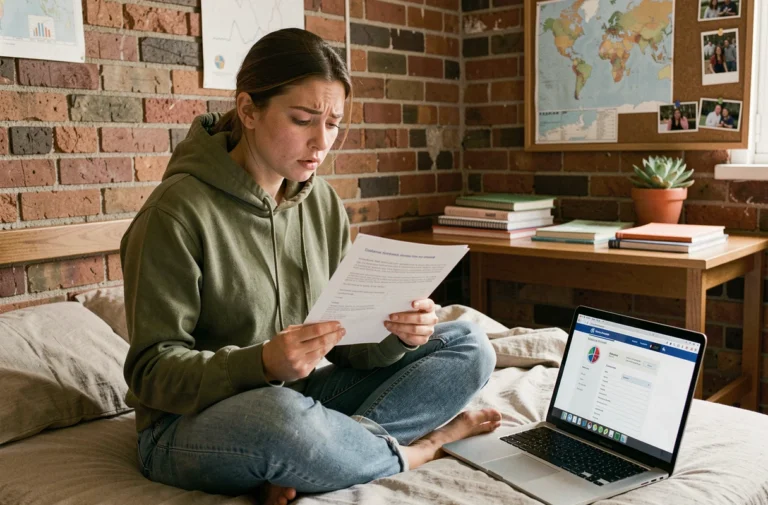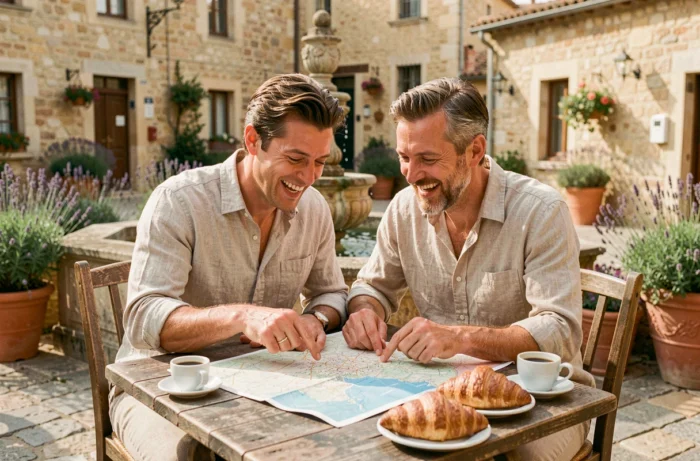
Booking a cottage in Ardèche at the beginning of July and discovering upon arrival that the heatwave makes any hiking impossible before 7 PM: this scenario has multiplied in recent seasons. Local weather conditions, the departure period, and the type of accommodation now weigh as heavily as the destination itself.
Summer heat and a shift northward: adapting your stay to the real climate
The report published by Atout France confirms a clear trend: Brittany and the Northern Alps have attracted more holidaymakers, while several southern regions have suffered from the combined effects of heatwaves and wildfires. One no longer chooses a region from a catalog; one checks the weather forecast ten days in advance before confirming.
In Occitanie, the Economic Development Agency has noted shorter stays and later bookings. Travelers wait until the last moment to confirm, even if it means losing the best rates. For those who still want to head south, planning fallback activities (air-conditioned museums, wine cellar tours, river swimming early in the morning) prevents being stuck for three days in an overheated rental.
You can compare destinations and their practical conditions on guidedesvacances.fr before making your choice, which helps to tailor the program according to the weather and the season.
Mountain and Channel coast: reliable options in extreme heat
The mountains offer a significant temperature difference as soon as you go beyond the first levels of altitude. Accommodation in the alpine valley or the central Pyrenees allows for daytime hiking without health risks. The Channel coast, on the other hand, remains breezy and rarely exceeds 28 °C in the height of summer.
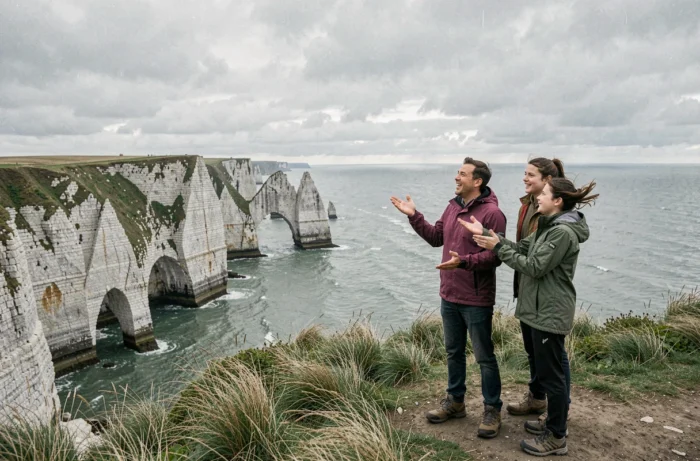
Feedback varies on this point, but several families report that the Normandy coast or the Bay of Saint-Brieuc offers a credible alternative to the crowded Mediterranean beaches, with swimming temperatures certainly cooler but beaches that are significantly less crowded.
Off-season holidays in France: June and September as a concrete lever
Data from Atout France shows that June and September are seeing increased attendance while July and August are slightly declining. This shift is not just about thermal comfort: it also changes the game in terms of budget and availability.
- In June, seaside accommodations often display reduced rates compared to the high season, and campsites still accept short bookings without extra charges
- In September, natural sites like the Gorges du Verdon or the Calanques regain a level of attendance that allows for truly enjoying the landscape
- Seasonal rentals in the countryside (Dordogne, Lozère, Jura) remain available a few weeks before departure, whereas August requires booking several months in advance
Traveling in the shoulder season reduces both the budget and exposure to heatwaves. For families with school-aged children, the last week of June and the first week of September are the most accessible windows.
Holiday budget in France: balancing expenses without compromising on experience
Several seasonal reports confirm that the French have shortened their stays and reduced certain expenses, particularly dining out. A clear trade-off is observed: households prefer to maintain the quality of accommodation even if it means cooking on-site.
Nature accommodation versus traditional hotel
A rural cottage with a fully equipped kitchen in Auvergne or the Cévennes allows for controlling food expenses while enjoying a setting that standard hotels do not offer. Eco-lodges and treehouses, popularized in recent years, provide a nature experience without sacrificing comfort, but their nightly rates often approach that of a three-star hotel.
Camping remains the most economical accommodation option for a family. Campsites by the river in Tarn or Ardèche cost significantly less than the Mediterranean coast, for landscapes that are at least as striking.
Flexible bookings: a necessity now
With increasingly unpredictable weather conditions, favoring accommodations with free cancellation changes the game. Many platforms now offer this option at no extra cost, including on rentals between individuals. Checking cancellation conditions before booking prevents losing a deposit if the destination becomes impractical.
Nature destinations in France: three underestimated territories
Lozère, Jura, and the Bay of Somme share three concrete advantages: relative coolness in summer, low tourist density, and controlled costs.
Lozère combines low tourist density, spectacular gorges (Tarn, Jonte), and moderate temperatures thanks to its altitude. The Aubrac plateau offers accessible hikes even with young children.
Jura features swimming lakes, waterfalls, and exceptional cheeses. The Planches gorge or Lake Vouglans remain less frequented compared to alpine lakes, with reasonably priced municipal campsites.
The Bay of Somme, in maritime Picardy, combines wildlife observation (seals, migratory birds), flat terrain cycling, and a temperate climate that makes it accessible from May to October.
Organizing holidays in France today relies on three concrete trade-offs: the period (shoulder seasons offer a better quality-price-comfort ratio), the geographical area (checking real weather conditions rather than postcard images), and the type of accommodation (flexible, with a kitchen, suited to the household’s actual budget).