
Sports performance relies on a set of measurable physiological mechanisms: maximum oxygen consumption, muscle recovery capacity, digestive tolerance to effort, and sleep quality. Optimizing sports performance and well-being requires understanding how these parameters interact, and then acting on the most effective levers for each practitioner’s profile.
Digestive Tolerance and Nutrition for Endurance Events
During prolonged efforts beyond two hours, the ability to absorb nutrients becomes as crucial as the accumulated training volume. Strength coaches emphasize this point: an athlete whose digestive system cannot tolerate carbohydrate intake during exertion will see their performance decline, regardless of their cardiovascular fitness level.
Working on digestive tolerance happens during training. Testing different foods and gels at increasing intensities helps identify what the body can actually accept under stress. This approach, once reserved for professional cyclists, now applies to amateur runners aiming for half-marathons or trail events.
Before exploring the technological tools that transform recovery, it is useful to discover sports services on Science O Sport to structure this nutritional approach within a framework suited to one’s discipline.
Connected Sensors and Recovery Management
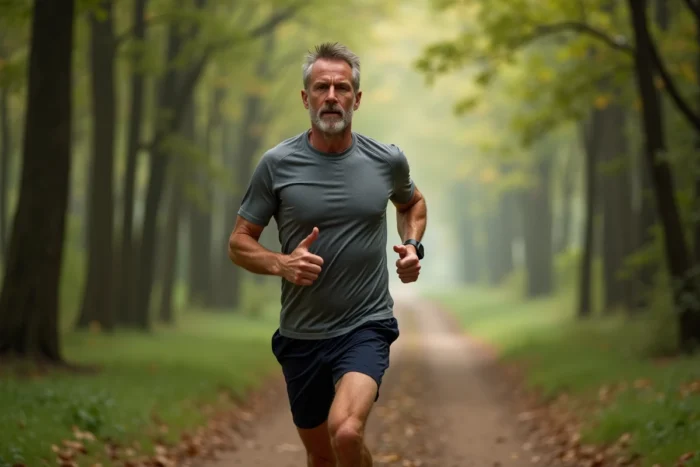
Connected watches and clothing featuring sensors and artificial intelligence have become the norm for tracking heart rate, cadence, sleep, and recovery among amateur athletes. It is no longer a gadget reserved for professional teams.
The main benefit lies in managing training load. A wrist heart rate monitor, combined with a heart rate variability analysis algorithm, allows one to know each morning whether the body is ready for an intense session or if a light workout should be prioritized.
What Sensors Actually Measure
- Heart rate variability at rest, a reliable indicator of the recovery level of the autonomic nervous system, guides the choice between heavy strength training and gentle mobility exercises.
- Sleep quality (duration of deep phases, number of awakenings) informs adjustments regarding bedtime and daily stress management.
- Cadence and power in running or cycling help calibrate intensity zones to avoid overtraining, the primary cause of stagnation among regular practitioners.
Measuring without interpreting is pointless. The connected tool provides raw data. Translating this into training decisions (postponing a leg session, reducing weekly volume, adding a day of active recovery) requires a minimum of physiological understanding or the support of a coach.
“Omics” Approaches and Training Personalization
Genomics, metabolomics, and microbiomics open a relatively new field in sports. In sports medicine, these analyses help identify individual injury risks, each athlete’s recovery capacity, and their specific nutritional needs.
The intensity of sessions, nutritional interventions, and recovery strategies can be adjusted based on individual biological markers. Oxidative stress, muscle load tolerance, inflammatory response: each parameter varies from athlete to athlete, sometimes to considerable extents.

Current Limitations for Amateur Practitioners
These analyses remain expensive, and their interpretation requires specialized medical expertise. For a fitness or weightlifting athlete training three to four times a week, the concrete benefits do not yet justify the investment in most cases.
The interest lies more in the underlying trend: personalization is gradually replacing generic programs. An identical strength training plan for all practitioners of the same body weight ignores real biological differences. “-Omics” tools scientifically demonstrate what experienced coaches have long observed on the ground.
Active Recovery and Massage: What Works According to Sports Science
Recovery is not limited to passive rest. Massage techniques, joint mobility exercises, and active recovery (walking, very low-intensity cycling) accelerate the return to a functional muscle state between sessions.
- Targeted massage of the muscles used (thighs after a squat session, calves after a running workout) reduces stiffness and improves local blood circulation.
- Massage rollers and percussion guns, used for ten to fifteen minutes after exertion, provide an accessible supplement for self-sufficient practitioners.
- Active recovery through light exercises the day after an intense session maintains mobility without adding significant muscle stress.
Neglecting recovery amounts to undoing part of the training work. The body does not progress during exertion but during the reconstruction phase that follows. An athlete who continuously engages in weight training or sports without allowing at least one day of recovery between two sessions targeting the same muscle group jeopardizes their medium-term results.
The signals to watch for are simple: decreased motivation, persistent joint pain, stagnation of performance despite stable training volume. These indicators often precede injury and deserve an immediate response, whether it involves reducing load or consulting a sports health professional.
The convergence of connected data, calibrated nutrition, and structured recovery outlines a framework where each practitioner can precisely manage their progress. The equipment matters less than the coherence between these three pillars: a well-used sensor, tested nutrition during training, and respected rest days yield lasting results, regardless of the starting level.